
Wild Edibles
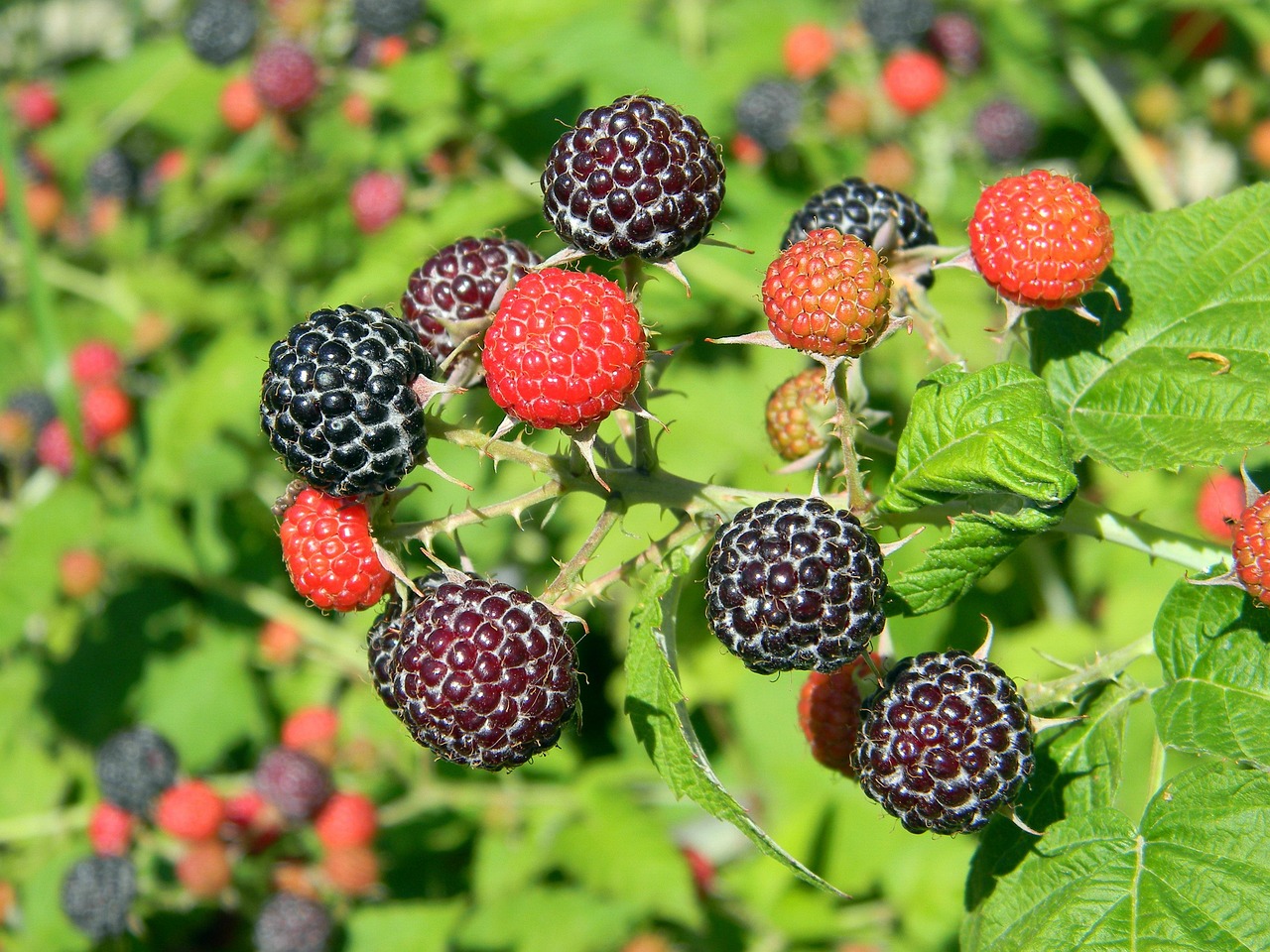
Black Raspberries
Black Raspberries: Missouri’s Native Sweet Treasure
Black raspberries are one of Missouri’s hidden native gems. Known for their rich flavor, dark purple-black color, and excellent nutritional value, these berries have been growing wild throughout Missouri woodlands, fence rows, and field edges for generations. Unlike the more common red raspberry, black raspberries have a deeper, sweeter flavor with earthy notes that make them highly sought after for fresh eating, jams, syrups, desserts, and homemade products.At our farm, we grow and offer black raspberry plants in the spring planting season, and we also offer fresh fruit during harvest periods when production allows.
A Native Missouri Berry
Black raspberries (Rubus occidentalis) are native to Missouri and much of the eastern United States. They thrive naturally in our climate and are well adapted to Missouri’s seasonal weather patterns. Because they are native plants, they are often more resilient and easier to maintain than many non-native berry varieties once established.These vigorous bramble plants produce arching canes covered with small thorns and reward growers with delicious berries in early summer.
Growing Conditions
Black raspberries grow best in:
Planting Black Raspberries
Spring is the best time to plant black raspberry canes in Missouri.When planting:
Pruning and Cane Control
Proper pruning is one of the most important parts of growing healthy black raspberries.Black raspberries grow on a two-year cane cycle:
Summer Tipping
In early to mid-summer, primocanes can be “tipped” or cut back once they reach about 3–4 feet tall. This encourages branching and creates stronger, more productive plants.
Winter Pruning
During dormancy:
Uses for Black Raspberry Fruit
Black raspberries are prized for both flavor and versatility. Their intense sweetness and rich berry taste make them excellent for:
Seasonal Availability
We offer black raspberry plants during the spring planting season for customers wanting to grow their own patch at home.Fresh black raspberry fruit may also be available during harvest season when weather and production allow. Because harvest windows are short and yields vary from year to year, availability can be limited.If you are interested in plants or seasonal fruit availability, please contact the farm or follow our updates throughout the growing season.
Black raspberries are one of Missouri’s hidden native gems. Known for their rich flavor, dark purple-black color, and excellent nutritional value, these berries have been growing wild throughout Missouri woodlands, fence rows, and field edges for generations. Unlike the more common red raspberry, black raspberries have a deeper, sweeter flavor with earthy notes that make them highly sought after for fresh eating, jams, syrups, desserts, and homemade products.At our farm, we grow and offer black raspberry plants in the spring planting season, and we also offer fresh fruit during harvest periods when production allows.
A Native Missouri Berry
Black raspberries (Rubus occidentalis) are native to Missouri and much of the eastern United States. They thrive naturally in our climate and are well adapted to Missouri’s seasonal weather patterns. Because they are native plants, they are often more resilient and easier to maintain than many non-native berry varieties once established.These vigorous bramble plants produce arching canes covered with small thorns and reward growers with delicious berries in early summer.
Growing Conditions
Black raspberries grow best in:
- Full sun for highest fruit production
- Well-drained soil
- Slightly acidic soil conditions
- Areas with good airflow to reduce disease pressure
- Moderate moisture without soggy conditions
Planting Black Raspberries
Spring is the best time to plant black raspberry canes in Missouri.When planting:
- Space plants approximately 2–3 feet apart
- Allow 6–8 feet between rows
- Plant in a sunny location with room for cane growth
- Add compost or organic matter to improve soil health
Pruning and Cane Control
Proper pruning is one of the most important parts of growing healthy black raspberries.Black raspberries grow on a two-year cane cycle:
- First-year canes are called primocanes
- Second-year fruiting canes are called floricanes
Summer Tipping
In early to mid-summer, primocanes can be “tipped” or cut back once they reach about 3–4 feet tall. This encourages branching and creates stronger, more productive plants.
Winter Pruning
During dormancy:
- Remove dead or fruited canes completely
- Thin crowded growth
- Shorten side branches for better airflow and fruit production
Uses for Black Raspberry Fruit
Black raspberries are prized for both flavor and versatility. Their intense sweetness and rich berry taste make them excellent for:
- Fresh eating
- Jams and jellies
- Syrups
- Pies and cobblers
- Ice cream toppings
- Smoothies
- Homemade wines
- Baking
- Freezing for later use
Seasonal Availability
We offer black raspberry plants during the spring planting season for customers wanting to grow their own patch at home.Fresh black raspberry fruit may also be available during harvest season when weather and production allow. Because harvest windows are short and yields vary from year to year, availability can be limited.If you are interested in plants or seasonal fruit availability, please contact the farm or follow our updates throughout the growing season.